
Tackling real world problems

Our research tackles contemporary problems that do not respect conventional disciplinary boundaries. Our collaborative approach involves departments across the University and institutions around the world.

Research integrity is at our core and our work is guided by ethical frameworks and processes. Our commitment to diverse methods to help sustain our vibrant research culture.  

View all Current Research Projects

Research Projects Spotlight

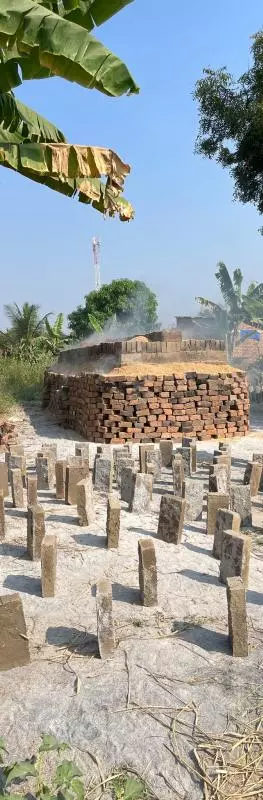
Bricks standing upright drying in the sun

Transforming the Humble Brick

Investigating how traditional earthen bricks can be used to help protect people against mosquito-borne diseases.
covid protests london

The Violent Extremism Lab

Understanding the psychology that leads to self-sacrificial violence 
disobedient buildings logo same

Disobedient Buildings

Exploring everyday lived experiences of inhabitants of ageing tower blocks in the UK, Romania and Norway.
cattle grazing by a flooded river with palm trees in background

Transboundary Resource Management

Climate change and resource scarcity threaten the well-being of millions of people around the world
ethno ornithology logo

The Ethno-ornithology World Atlas

A space for community-curated bird and ecological knowledge.
Histories of Oxford Anthropology Project logo

Histories of Oxford Anthropology Project

A student-led re-evaluation of the ‘hidden histories' of the department and what is relevant to it.


Postdoctoral Research In Focus  

Dr Arran Davis: exploring the relationship between poverty, loneliness, and a defensive symptom cluster

To play the video, you need to accept cookies for videos.

Evolutionary anthropologist Dr Arran Davis is interested in how social relationships affect human behaviour, health, and well-being. Here he describes recent work using the European Social Survey (around 25,000 responses from 20 countries) to examine how a defensive symptom cluster, characterized by pain, fatigue, and low mood, varies according to individuals’ social connections and socioeconomic status.

He found that this symptom cluster was more prevalent in lonely individuals, with particularly strong associations for individuals who were both lonely and experiencing poverty. He also found that people living on low incomes were especially at risk for feeling lonely. These findings highlight the important connections between human sociality, economic inequality, and health and will form the basis for future research projects.

Research News

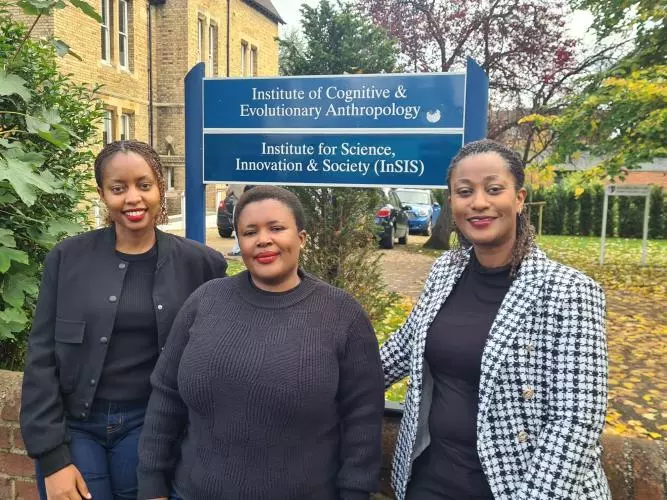
Three women standing in a line outside the department buildings, under a sign for the Institute for Science, Innovation and Society (InSIS)

Working together to tackle malaria: InSIS hosts social scientists from the Ifakara Health Institute in Tanzania

A silver diamond ring stacked on top of a gold diamond ring, resting on a page. In the background are two other rings.

New study challenges mechanism linking polygynous marriage to social ills

canoes

What would it mean to apply 'harm reduction' strategies like those used with drug users to the forgotten victims of the war on drugs - drug producers?

japanese macaque

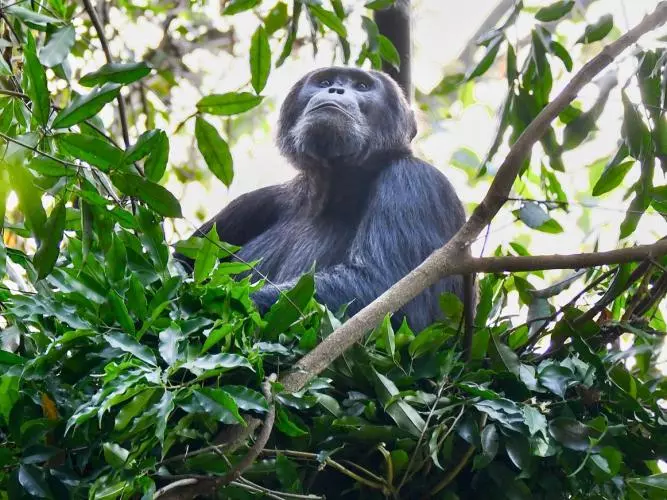
Early primates evolved in cold, seasonal climates, not warm tropical forests

severalchimps katarinaalmeidawarren

Past their prime? Tool use declines with age in wild chimpanzees

Student Research News

ibrahim ince, out side the department of education - smiling

Helping policy makers make policy

fiona asokacitta sacred pancasila monument

New publication by DPhil student Fiona Asokacitta explores how museums shape the collective memory of violence

pregnant woman

New publication from DPhil student Princess Banda unpacks the theory and framework of 'obstetric racism'

Impact and Engagement

Our research in the real world