MSc and MPhil
Everything social is open to question, including solidly held beliefs and attitudes and ideas about causality, the self in society, and nature and culture.
Social anthropology uses very practical, empirical methods to investigate some quite philosophical-looking problems about the nature of human life in society. Learning to relate different versions of the world to each other (politics, religion, culture, gender, economic development, etc.) is learning to be a Social Anthropologist and is what we hope you will learn over the course of your degree.
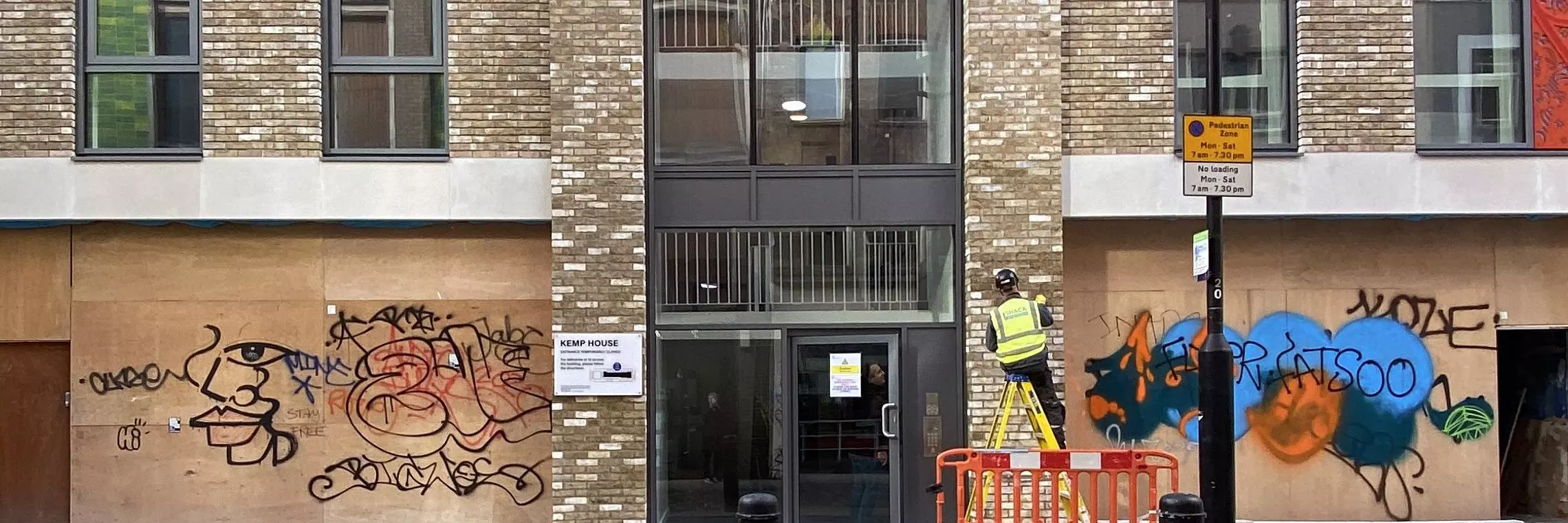
Banner image credit: Inge Daniels
About the course
There are two master's courses in Social Anthropology: the one-year MSc and the two-year MPhil.
These share a common period of nine months' course work in the first year. Both courses will provide students with a solid background in analytical and methodological issues as they apply to social anthropology. The courses are designed such that applicants require no previous training in anthropological methods and perspectives.
The course director for 2026-27 is Professor Inge Daniels.
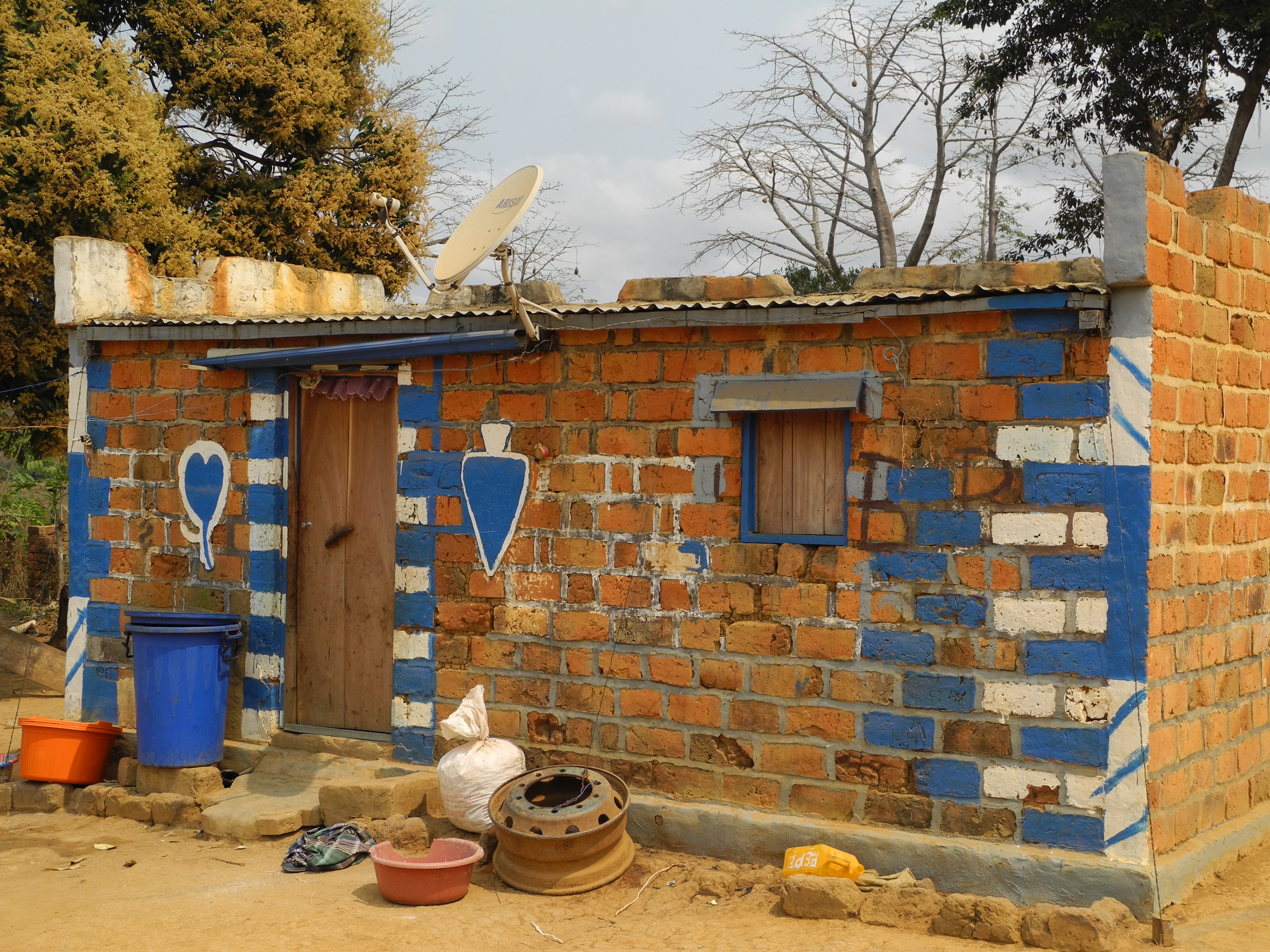
An Angolan home, image by Ramon Sarro.Image shows a Angolan Home, credit: Ramon Sarro
Course structure
The first nine months of both the MSc and MPhil courses consist of a structured programme of lectures, classes, and tutorials from October to June. Throughout the courses, formal teaching is supplemented by attendance at research seminars, and lectures, as each student chooses.
In the first-year students will critically read key intellectual contributions to the discipline and they will be introduced to ethnographic methods and experiences of living among, and writing about, people. They will learn how to comparatively study what makes humans simultaneously similar and yet different. Students follow core courses in social anthropology as well as choosing an option course from a range offered within the School of Anthropology and Museum Ethnography.
The MSc is examined in two stages. Part One of the assessment process (comprising coursework and timed unseen examination) is completed by June. Part Two (the MSc dissertation of 10,000 words) is submitted in late August.
In the summer vacation leading into the second year of their course, MPhil students will start researching their MPhil dissertation. This may involve fieldwork. In the second year of study, students take a further specialist option course from the range on offer within the school and choose two research methods training modules. They also research and write their MPhil thesis (30,000 words).
Core teaching covers the major theories, approaches and themes in social anthropology, plus comparing cultures, anthropology in the world, and fieldwork theories and methods. Option courses offered vary from year to year, but are chosen from around twelve to fifteen that are available, with topics ranging from specific areas of geographical focus, to current anthropological themes.

A student flicks through an old journal in the School of Anthropology and Museum Ethnography.John Cairns 2023
Further study
Applicants for the MSc or MPhil who know that they intend to pursue a DPhil (PhD) in the School of Anthropology & Museum Ethnography, via a MSc + DPhil (1+3-year) route or MPhil + DPhil (2+2 year) route, are encouraged to indicate and elaborate this in their Statement of Purpose/Personal Statement, as this will allow them to be considered for funding awards at the time of application. For this purpose their personal statement may be up to four pages in length and should include a proposal outlining their intended Doctoral research.
Applicants should be reassured that if they are not at this stage clear about whether they wish to pursue DPhil research in the future this will not affect their likelihood of securing a place on an MSc or MPhil now, or of securing DPhil funding at a later date. Anybody who subsequently applies to continue to study for a DPhil (whether after MSc or MPhil) will be considered again for nomination to the award competitions at that time.