Investigating “the worst phytosanitary epidemic in the world”
Dr Claudio Sopranzetti gains funding for his project 'Living through the Aftermath'
Olive Tree Epidemic, Agrarian Knowledge, and the Politics of Environmental Repair in Southern Italy
The Background
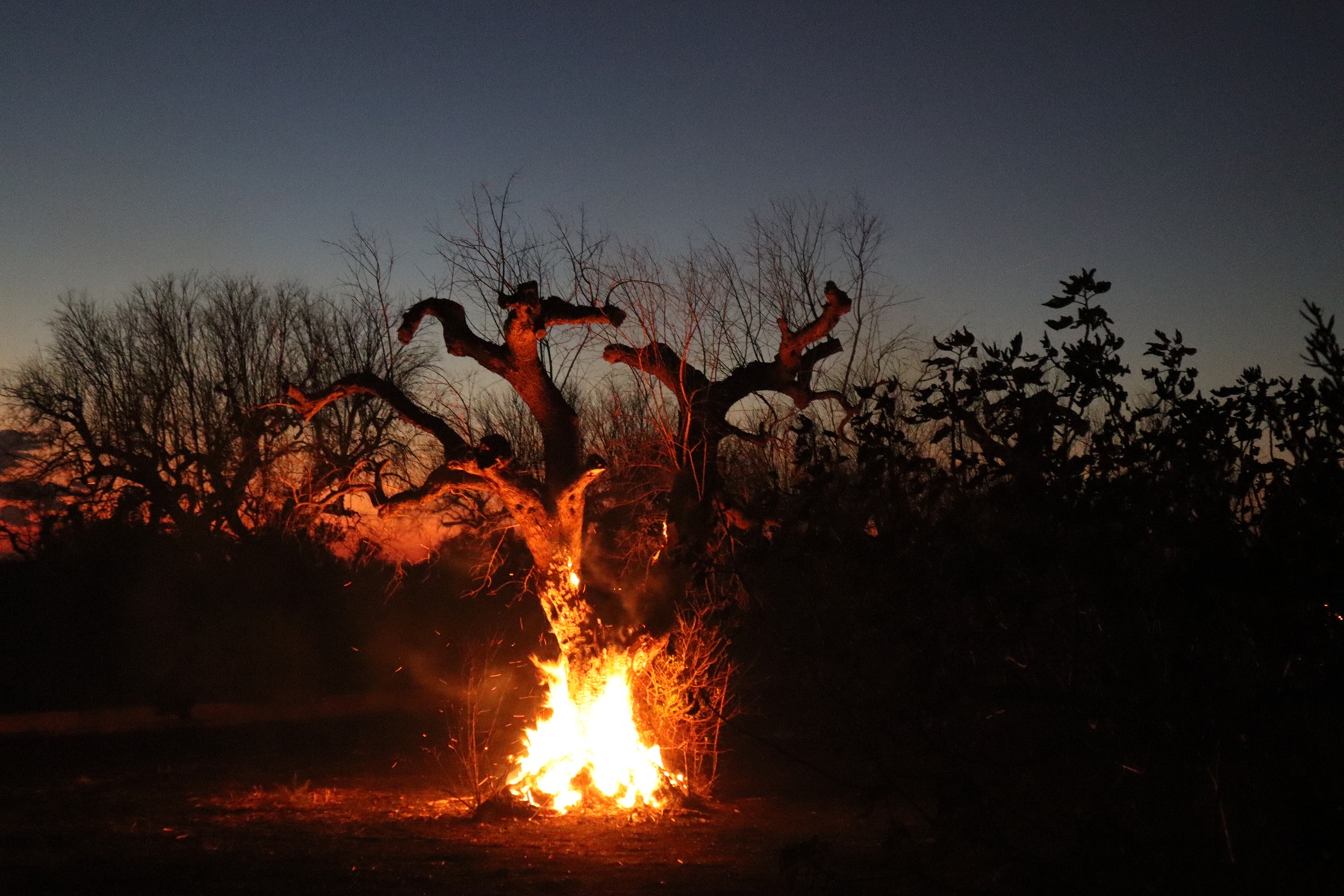
Infection has killed 21 million olive trees in Southern Italy, destroyed over 8,000 km² of agricultural land and reduced Italian olive oil production by almost 30%. It may be threatening to end olive oil production in the Mediterranean.
Since the arrival of the bacterium xylella fastidiosa in Puglia, Southern Italy in the 2010s the region has experienced the widespread degradation and death of olive trees. These trees were valued as sources of food and income, pillars of a thriving tourist industry, and prized possessions, proudly passed down through generations.
Today, the region is experiencing a profound ecological, political, economic, and epistemic transition. Through desperate attempts to save infected trees, large-scale abandonment, rewilding experiments and new models of highly intensive, mechanised, water-thirsty olive agriculture, different groups are exploring what it means to dwell alongside death and destruction. They are reimagining a devastated landscape, and learning to live in the aftermath of an ecological disaster.
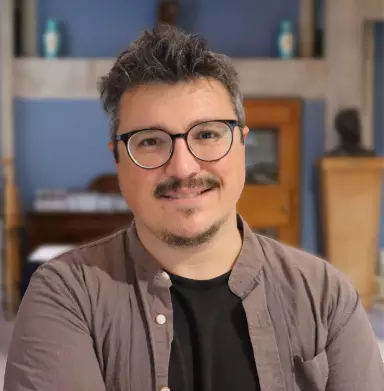
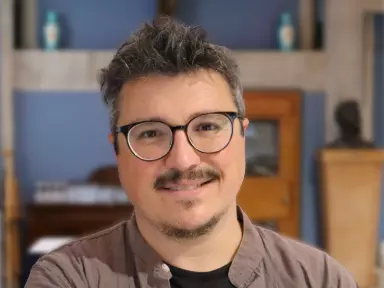
Dr Claudio SopranzettiI grew up in an olive oil producing area of Central Italy and I now look after 250 olive trees my grandfather planted after World War II. This personal connection makes this much more than just an intellectual interest, as it is the case for many of the people I do research with.
The Project
It is the ongoing process of aftermath that Dr Claudio Sopranzetti will explore in his new Wenner-Gren funded project. Drawing on multi-sited ethnographic and archival research he will trace how Puglia’s olive groves are becoming more than a site of environmental loss, seeing them as a laboratory for thinking about the politics of ecological repair. The project will also allow him to explore how anthropology as a discipline can help us better understand what it means to live through global environmental change.
Dr Sopranzetti will carry out fieldwork with the scientific institutions tasked with mapping and investigating the disease, with the networks of activists and citizens who contest those authorities, and with olive oil producers from agritech plantations and smallholder cooperatives. He will complement this ethnographic research with archival and audio-visual work.
Gallery